In a world where technology never stands still, it has become indispensable in our own homes. From smart lighting to advanced security systems, the modern home is increasingly characterized by high-tech. But how do we best use this technology? Read all about it in this article.
The Beginnings of a Smart Home: Easy Upgrades
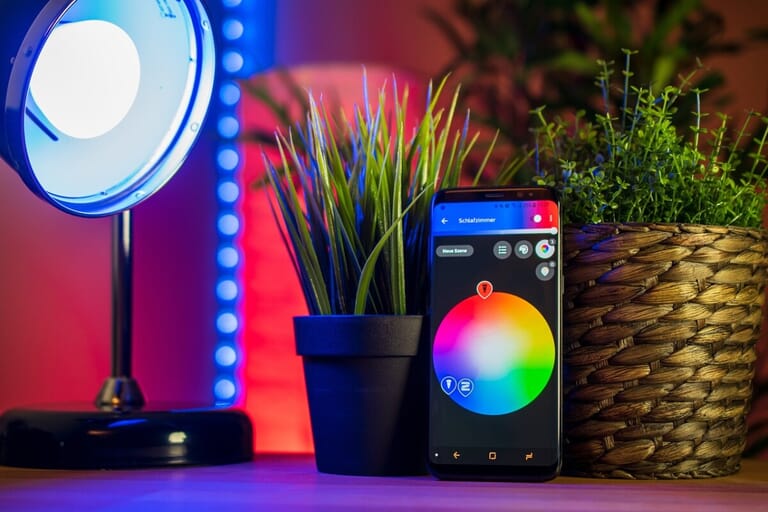
A smart home often starts with simple upgrades, such as a smart thermostat or lights that you can control with an app. These devices not only make life easier, but can also help you save energy. For example, smart thermostats learn your habits and automatically adjust the temperature to optimize both comfort and efficiency.
Another popular choice is smart lighting. These can be set to specific schedules or even linked to motion sensors, so you'll never have to search for the light switch in a dark room again. By starting small, you can slowly get used to the benefits of a smarter home.
Security Integration
One of the most practical applications of smart technology is security. Smart doorbells with cameras and integrated alarm systems are becoming increasingly common. These systems send notifications to your phone, so you always know who is at the door or if there is any unusual activity around your home.
In addition, smart locks can make your life easier. No more hassle with keys; instead, you open the door with your phone or an access code. Some systems even offer temporary access options, useful for guests or parcel deliverers.
Comfort in the kitchen
Smart technology has also been introduced in the kitchen. Think of refrigerators that keep shopping lists or ovens that you can control with an app. These innovations are designed to make your daily life run more smoothly, especially if you have a busy schedule.
An unexpected but important place in the home where technology makes a difference is the
fuse box. Modern fuse boxes are increasingly equipped with smart meters and monitoring tools. This allows homeowners to gain real-time insight into their energy consumption and quickly identify potential problems.
A look into the future
The development of smart technology is constantly evolving. Think of integrations with voice assistants such as Alexa or Google Assistant, allowing you to control a large part of your home with your voice. In addition, interconnectivity is becoming increasingly important. Future systems will communicate even better with each other, making your home function as a seamless unit.
Another emerging trend is the integration of smart devices with sustainable technology. For example, a heat pump can be easily combined with smart thermostats and energy management systems. This not only allows you to heat and cool efficiently but also to manage your energy consumption more consciously.